
How microlearning empowers employees to master productivity habits

Why do productivity habits seem so hard to build – even for skilled employees? Many organizations invest in lengthy seminars and day-long workshops, but most workers forget new tips before they leave the room. Microlearning can help in such situations and enhance productivity at both the individual and organizational levels. Instead of information overload, employees will gain practical methods they can use. Read this article and discover how this approach helps you build lasting habits that boost microlearning productivity.
What is microlearning & why does it matter for productivity habits
Microlearning refers to short, focused learning sessions that target specific skills or concepts. Each session typically lasts between two and ten minutes and focuses on a single topic at a time. Instead of overwhelming you with information, microlearning delivers practical strategies you can apply right away.
This approach draws from research in cognitive psychology. Hermann Ebbinghaus’s Forgetting Curve shows most people forget about 50% of new information within an hour after learning it. Microlearning confronts this decline by repeating key ideas in short bursts, making the content easier to remember.
Event-based training, such as one-day workshops, often fails to turn ideas into habits because people receive too much advice at once with little opportunity to apply new skills. Microlearning shifts the focus away from theory toward repeated, task-focused application. A 2022 LinkedIn Workplace Learning Report found that 58% of employees prefer to learn at their own pace through bite-sized modules rather than extended workshop formats.
Core productivity habit benefits
Productivity habits offer several tangible benefits for employees seeking to enhance their work performance. They often shape the way you set priorities, manage time, and reduce distractions in your daily tasks. In the next sections, we will examine these benefits.
Just-in-time habit reinforcement
Microlearning delivers targeted instructions exactly when you need them during your workday. This method allows you to receive short reminders or checklists at the moment you face a relevant task.
For example, if you prepare for a team meeting, you can access a checklist that highlights strategies to keep discussions concise and on topic. This timing prevents forgetfulness and helps you transform weak intentions into more consistent habits. Organizations can use automated reminders in apps for microlearning so that guidance never feels distant or irrelevant.
Spaced repetition for behavioral change
This learning method relies on spaced repetition to support long-term habit formation. Instead of intensive one-off sessions, you see key concepts repeated at intervals during upskilling. This gives your brain multiple chances to relearn information over days or weeks, which solidifies it into memory and behavior. Core benefits of spaced repetition for productivity habits include:
- Lower risk of forgetting new methods;
- Stronger links between concepts and practical actions;
- Increased confidence through consistent review.
As you revisit important habits in small doses, these patterns become second nature.
Micro-awards & gamification in routine
Microlearning uses small rewards and elements from games to motivate consistent practice during habit development. Learners may earn points for completing task-focused lessons or receive progress digital badges as they apply new time management techniques. These incentives create frequent moments of accomplishment without overwhelming anyone who struggles with motivation.
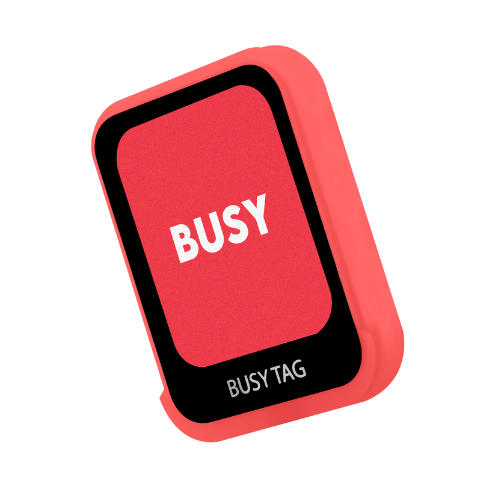
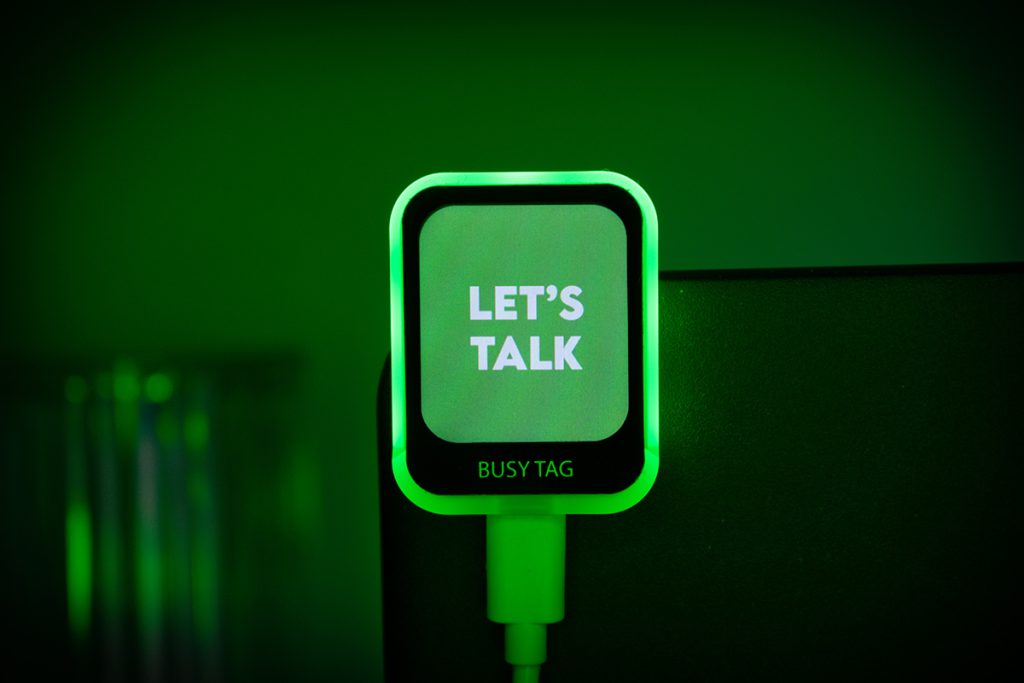
Busy Tag: Stay focused and avoid distractions
Seamless workflow integration
The approach fits into your daily schedule without disrupting your work rhythm or requiring huge time blocks. You can review a three-minute lesson before replying to emails or watch a quick tutorial before starting a complex report. Frequent but brief sessions help employees avoid overload while keeping efficiency strategies top of mind throughout the week.
How to implement microlearning into daily work?
Organizations can develop productive work habits by incorporating microlearning into daily routines of their employees. Here are the steps to make each strategy effective and relevant:
- Identify productivity habits to build. List the most important work routines that increase output, such as managing email or setting priorities for projects. Focus on specific actions employees can repeat during their workweek.
- Define microlearning triggers and formats. Select moments in the workflow where employees frequently require support, such as before meetings or after a task is handed off. Match these triggers with formats like short videos, interactive quizzes, or simple reminders tied to those key points.
- Deploy via mobile/in-workflow platforms. Integrate microlearning modules into systems that employees use daily, such as project management tools or apps. Provide access on phones and desktops so lessons fit each person’s schedule and environment.
- Measure using KPIs. Track progress with measurable outcomes – monitor how quickly employees complete tasks after training, how well they apply new methods, or how often they maintain habits over time. Use this data to assess where microlearning changes work.
- Optimize with feedback loops and gamification. Collect employee experiences through quick surveys or automated check-ins to find which modules work best. Motivate consistent use by adding small rewards.
Common challenges with microlearning & steps to overcome them
When organizations use microlearning, they often face certain obstacles that can undermine its effectiveness. Let’s look at the common challenges:
- Micro-fatigue. Repeating the same lesson style can cause boredom or disengagement over time. You can vary lessons by alternating formats – mixing quick videos, checklists, and scenario-based questions, which will maintain interest and prevent mental fatigue.
- Measurement lags. Microlearning modules may produce slow or uneven results, making outcomes difficult to track. Set up clear metrics in dashboards that record specific behaviors, so you can view real progress instead of guessing at impact.
- Content relevance. Generic advice or off-topic material often fails to support real productivity needs. When you build each lesson around tasks that employees encounter daily, it becomes easier for everyone to connect learning with their actual workflow.
Build long-term productivity through microlearning
Small, targeted lessons via microlearning make practice easier to incorporate into work routines. After you receive support at the right time and see short reviews throughout your day, new habits become part of your regular workflow. Even busy employees can master practical steps without feeling overwhelmed or stuck. Start a 30-day microlearning habit pilot and see how consistent change shapes better productivity.
LUXAFOR HELPS PEOPLE TO ACHIEVE THEIR GREATEST PRODUCTIVITY LEVELS WITH A WIDE VARIETY OF OFFICE PRODUCTS. LET’S BE PRODUCTIVE TOGETHER!
Show your colleagues when you're busy!
How microlearning empowers employees to master productivity habits






Tags
Archives
- March 2026
- January 2026
- December 2025
- November 2025
- October 2025
- September 2025
- August 2025
- July 2025
- June 2025
- May 2025
- February 2025
- January 2025
- December 2024
- November 2024
- October 2024
- September 2024
- August 2024
- July 2024
- June 2024
- May 2024
- April 2024
- March 2024
- February 2024
- January 2024
- December 2023
- November 2023
- October 2023
- September 2023
- August 2023
- July 2023
- June 2023
- May 2023
- April 2023
- March 2023
- February 2023
- January 2023
- December 2022
- November 2022
- October 2022
- September 2022
- August 2022
- July 2022
- June 2022
- May 2022
- April 2022
- March 2022
- February 2022
- January 2022
- December 2021
- November 2021
- October 2021
- September 2021
- August 2021
- July 2021
- June 2021
- May 2021
- April 2021
- March 2021
- February 2021
- January 2021
- December 2020
- November 2020
- October 2020
- September 2020
- August 2020
- July 2020
- June 2020
- May 2020
- April 2020
- March 2020
- December 2019
- November 2019
- October 2019
- September 2019
- August 2019
- July 2019
- April 2019
- March 2019
- January 2019
- December 2018
- November 2018
- October 2018
- September 2018
- August 2018
- July 2018
- June 2018
- August 2017
- May 2017
- April 2017
- February 2017
- January 2017
- November 2016
- October 2016
- September 2016
- August 2016
- July 2016
- June 2016
- May 2016
- April 2016
- March 2016
- February 2016
- January 2016